Current Location: Blog >
Malaysian VPS
1. Overview of Background and Objectives
- Clarify the purpose of the trial: Verify the access latency, bandwidth, and stability of the Malaysian node.- Clear role division: Development is responsible for functional verification, operations and maintenance for environment and monitoring.
- Key focuses: Response time (TTFB), concurrent throughput (RPS), packet loss rate, and DNS resolution time.
- Output results: test reports, problem lists, and implementation decision recommendations.
- Expected duration: Typical trial and validation cycles range from 7 to 30 days, depending on business complexity and traffic models.
2. Test Indicators and Acceptance Standards
- Network metrics: Average round-trip latency (RTT) target <100ms, packet loss rate <0.5%.- Performance Metrics: P95 response time <800ms, maximum concurrency capacity with 20% margin
reserved for business peak - Stability indicator: availability rate within 7 days> = 99.9%.
- Security Metrics: Resists common DDoS attacks, with automatic rate limiting/black hole policies in effect and a false kill rate of <0.1%.
- Operation and maintenance metrics: automation deployment time, log observability, average alarm response time < 30 minutes
3. Recommended time planning and milestones
- Days 1-2: Environment preparation (VPS activated, domain name resolution, certificate installation).- Days 3-7: Function joint debugging and basic stress test (small traffic run).
- Days 8-14: Stability and long-term stress test (simulating peak values).
- Days 15-21: Security and DDoS drills, CDN backtracking tests.
- Days 22-30: Evaluation summary, optimization, and final launch decision.
- The table below shows an example of time allocation (for decision-making reference):
| stage | duration (days) | main task |
|---|---|---|
| environment preparation | < td style="text-align:center">1-2< td style="text-align:center"> enable VPS, DNS, and SSL||
| function debugging | 3-7 | interface and regression testing |
| security | drill< td style="text-align:center">15-21< td style="text-align:center"> DDoS and WAF verification||
| evaluate | launch22-30 | < td style="text-align:center"> optimization and launch decisions
4. Technical environment and VPS configuration example
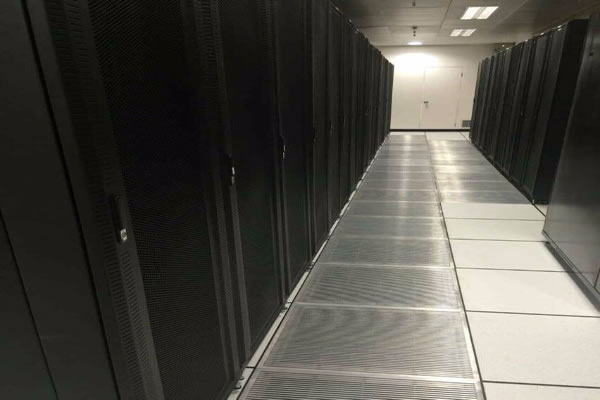
- It is recommended to choose Malaysian nodes such as Kuala Lumpur or Genting to ensure low latency for visitors within the region.- Example Configuration A (SME): 2 vCPU / 4 GB RAM / 80 GB SSD / 2 TB traffic / 1 Gbps bandwidth.
- Example Configuration B (Medium and High Concurrency): 4 vCPU / 8 GB RAM / 160 GB NVMe / 5 TB traffic / 1 Gbps bandwidth.
- Operating system: Recommended to use Ubuntu 22.04 LTS or Debian 12 for easier operation automation.
- It is recommended to enable IPv6, IPv4 for the dedicated public network, and configure monitoring agents and automatic snapshots.
5. Real cases and performance data
- Case: A regional e-commerce company had a 30-day VPS trial period in Kuala Lumpur and ultimately decided to go live and mix CDN recovery with a CDN source.- Monitor key data during trials and make adjustments:
| indicator | ||
|---|---|---|
| RTT(ms) | 45 | <100 |
| P95 response (ms) | 620 | < td style="text-align:center"><800|
| Concurrent Support (RPS) | 1200 | < td style="text-align:center">1000 (peak reserved value).|
| CPU average utilization | < td style="text-align:center">55% < td style="text-align:center"><70%.
- DDoS protection: After enabling the cloud vendor's anti-D service, cleaning is completed within 5 minutes without interruption in business.
6. Launch Evaluation and Precautions
- Before going live, rollback plans and disaster recovery drills must be completed to ensure a fault recovery time (RTO) of < 1 hour- Domain resolution: It is recommended to use dual DNS and configure low TTL for easy switching (TTL = 60-second test period).
- CDN configuration: static resources are managed via CDN, dynamic requests are made for intelligent source recovery; Enable GZIP and HTTP/2.
- Monitoring and alerting: Deploy response times, error rates, traffic, and DDoS alerts, with alert policy grading.
- Recommended trial decision rules: If key metrics meet targets and safety drills pass, after 7-30 days of trial, official launch and grayscale release can be considered.
- Latest articles
- CN2 Line Japan Stability Test Report In Financial And E-commerce Scenarios
- Analysis Of The Role Of Native Residential IP Service Providers In Taiwan In Content Distribution And Ad Verification
- A Guide To Building A Network Security System Using The Metaphor Of The Vietnamese Server Sci-fi Battleship
- How Channel Partners Can Collaborate To Promote Japanese Cloud Servers For Mutual Benefit
- How To Develop Layered Protection Strategies And Emergency Response Plans For High-defense Servers In U.S. Enterprises
- Development And Operations Collaboration To Test And Plan The Duration Of The Malaysian VPS Trial To Complete The Launch Evaluation
- From Cost To Service, We Explore The Selection Strategies For Major Servers Produced In The United States
- A Practical Guide To Security Policies And Protection Reinforcement For Japanese Server Clusters
- Vietnam Cloud Hosting VPS Rental: Optimization Tips For Cross-border E-commerce And Social Media Promotion
- How Enterprises Can Leverage Native Vietnamese IP Nodes To Improve The Stability And Speed Of Overseas Access
- Popular tags
Serverless
Network Solutions
Purchasing Guide
Free Test
Global Impact
Server Rental
Singapore CN2 Service
How To Register
Dedicated Server
Support Environment
Prospects For Development
Test Method
Edge Nodes
Security Compliance
Bandwidth Settings
Promotions
Ovh Singapore Vps
Vps Discounts
Board Games
Singapore Server
Plan
Reasons For Failure
Performance Evaluation
Speed Comparison
Cloud Service Provider
Game Fun
Ping Test
Download VPS Software
Hong Kong Broadband
Troubleshooting
Related Articles
-

The Practicality And Advantages Of Malaysian Cloud Server And Cloud Computer
discuss the practicality and advantages of cloud servers and cloud computers in malaysia, providing detailed operation guides and faqs. -

Applicable Industries And Cases For Malaysia Vps Native Ip
this article details the applicable industries and actual cases of vps native ip in malaysia, including detailed operating steps and industry applications. -

Malaysia Vps Server Security Reinforcement And Protection Practical Operation Guide
for vps deployed in malaysia, it provides practical security guides from initial hardening, ssh and firewall settings, patch and permission management, to ddos protection, backup and log monitoring.